Where Rivers Shape Family Days

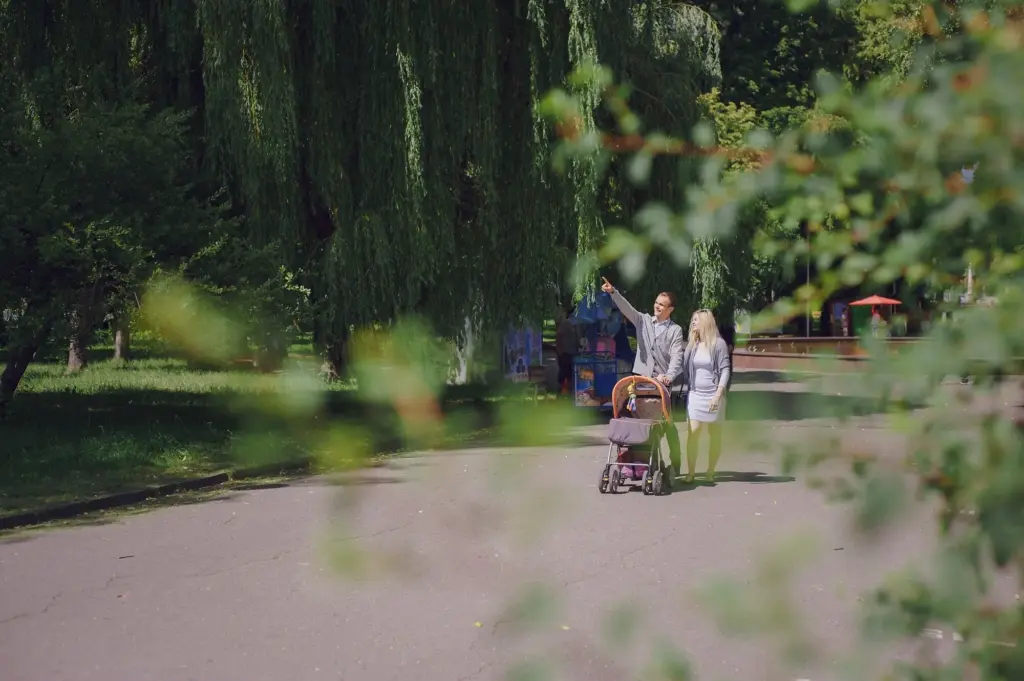
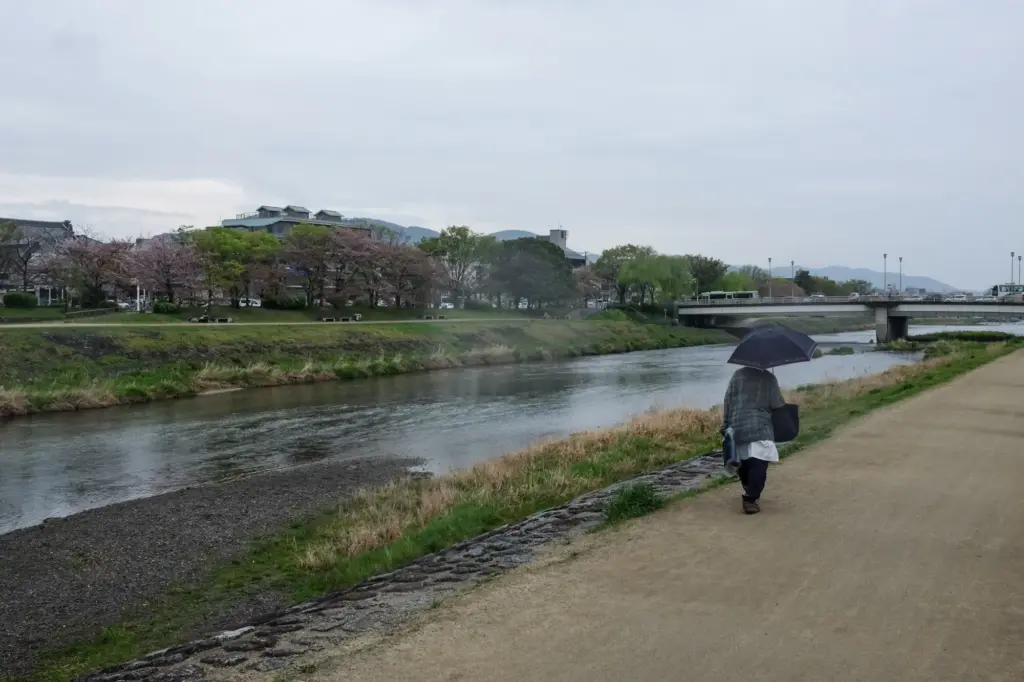
Oxford’s character is braided with water, from the slow ease of the Cherwell to the bustling towpaths beside the Thames, affectionately called the Isis. Families find forgiving routes, wide skies, and gentle edges that spark curiosity without overwhelming little legs. Imagine counting narrowboats, waving at rowers, listening for birds between church bells, and sharing snacks as willows trail the surface. These stretches welcome prams, scooters, and daydreamers, turning simple ambles into stories your children will retell proudly at bedtime.

Spring: Blossom Breezes and First Paddles
Spring invites families to notice everything waking up at once: catkins trembling, ducklings drafting behind parents, and violets peeking from verges. Choose gentle walks near meadows where puddles still glimmer, then try a short, confidence-building punt or paddle with expert guidance. Bring a tin for found treasures, like interesting pebbles or safely gathered leaves. Celebrate tiny wins—balanced steps on a beam, brave hands touching cold water—because those become anchors for future adventures when challenges grow.

Summer: Shady Banks and Splash-Safe Fun
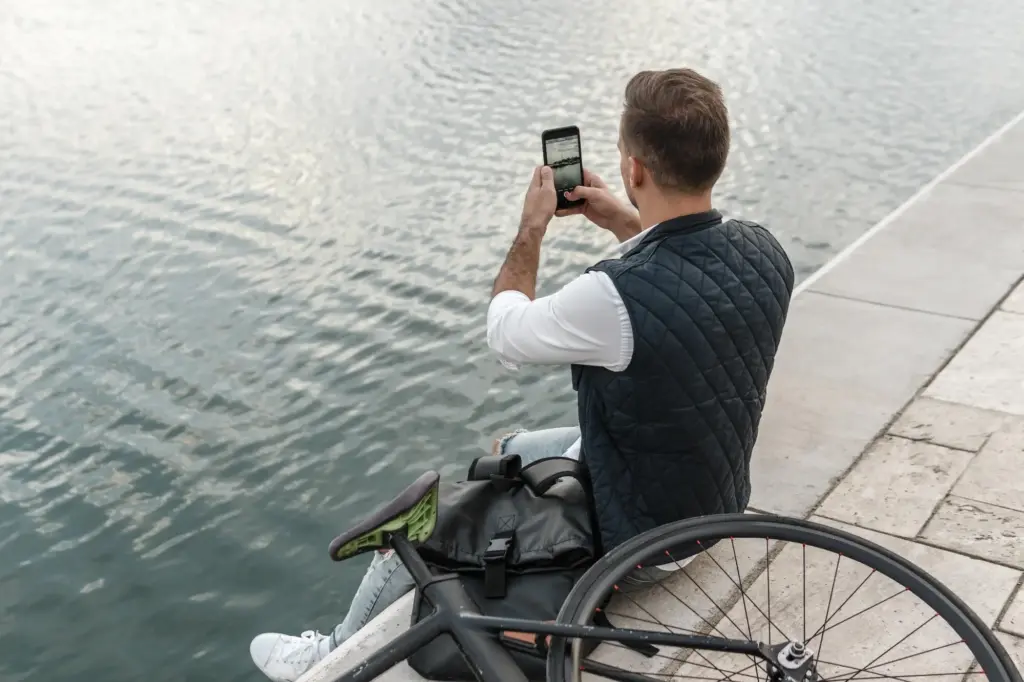
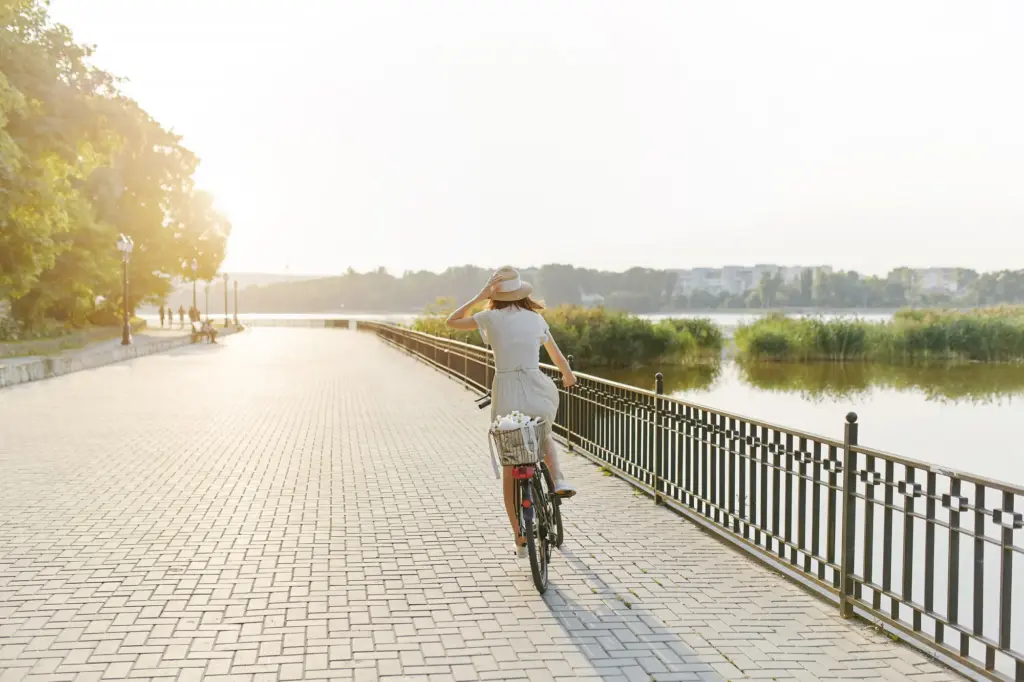
Long days tempt bigger plans, so counterbalance with unhurried pacing and generous shade. Seek tree-lined stretches and rest spots near taps or cafés. Establish clear splash rules: toes and fingers only unless at supervised spots, life jackets for any craft, and respectful distance from wildlife. Turn skipping stones into playful math, counting skips and tallying attempts. Conclude with riverside reading under a hat’s brim, letting stories drift as lazily as willow leaves across bright water.

Punts, Paddles, and Easy On-Water Choices

Getting onto the water reshapes perspective, turning familiar banks into a living theater of ripples, reflections, and distant bells. Families can start with chauffeured punts, progress to tandem kayaks, or try stable beginner paddleboards. Safety becomes a shared game, not a lecture, when children help check buckles, sunhats, and simple signals. Keep sessions short, end proudly, and weave in storytelling—pirates, poets, river sprites—so skills grow alongside imagination, transforming cautious first steps into enduring confidence.

Create a Riverside Nature Journal

Pack stapled paper, crayons, and a pencil, then invite kids to map today’s path with symbols—bridge, bench, swan, lock. Draw quick sketches of ripples and tree shapes. Practice mindful moments: close eyes and list five sounds, then reopen and find five shades of green. Date each page, add a tiny weather icon, and glue in a leaf. Over months, the journal grows into a heartfelt record of patience, wonder, and shared exploration.

Spot Swans, Moorhens, and Fleeting Flashes

Begin with easy identifications—swans’ bold white, mallards’ green heads, moorhens’ bright bills—then discuss respectful distance and quiet voices. Watch for a kingfisher’s glittering zip along the bank, celebrating even near-misses as triumphs of attention. Encourage questions: Why do feathers shed water? How do webbed feet help steering? Note answers later at home with library books. Curiosity becomes a family habit, strengthening observation, patience, and pride without needing rare sightings to feel successful.

Science at the Water’s Edge

Turn a stick into a drift-time experiment by timing how long it travels between two points. Compare pebble sizes for splash height, noticing shape and weight. Discuss buoyancy with oranges peeled and unpeeled. Trace tiny whirlpools behind posts, linking shapes to flow speed. Keep language playful and accessible, centering safety while leaning over. Finish with a simple reflection: one new thing learned, one moment felt brave, one kindness shown to wildlife or fellow walkers.

Safety, Comfort, and Accessibility Without Stress

Confident planning makes spontaneity possible. Choose routes with frequent exits, toilets, benches, and clear landmarks so families can pivot gracefully. Share responsibilities: one adult monitors edges, another minds snacks and layers, a child becomes map captain. Life jackets on craft, bright clothing near banks, and calm reminders about slippery surfaces keep everyone relaxed. Accessibility matters, so prioritize firm paths and gentle gradients, and celebrate rest breaks as strategic victories rather than setbacks or delays.

Simple Safety Habits Kids Can Lead

Invite children to co-create a checklist: shoes tied, sunhat ready, whistle tucked, water bottle half-finished before setting off. Practice stopping on a signal and pointing to the safest standing spot. Explain why algae and wet wood are slippery using age-appropriate language. Rehearse what to do if someone gets wet—stay calm, get warm, tell an adult. Make safety visible, friendly, and repeatable so habits stick, empowering kids as partners rather than passive passengers.

Routes for Buggies and Wheelchairs

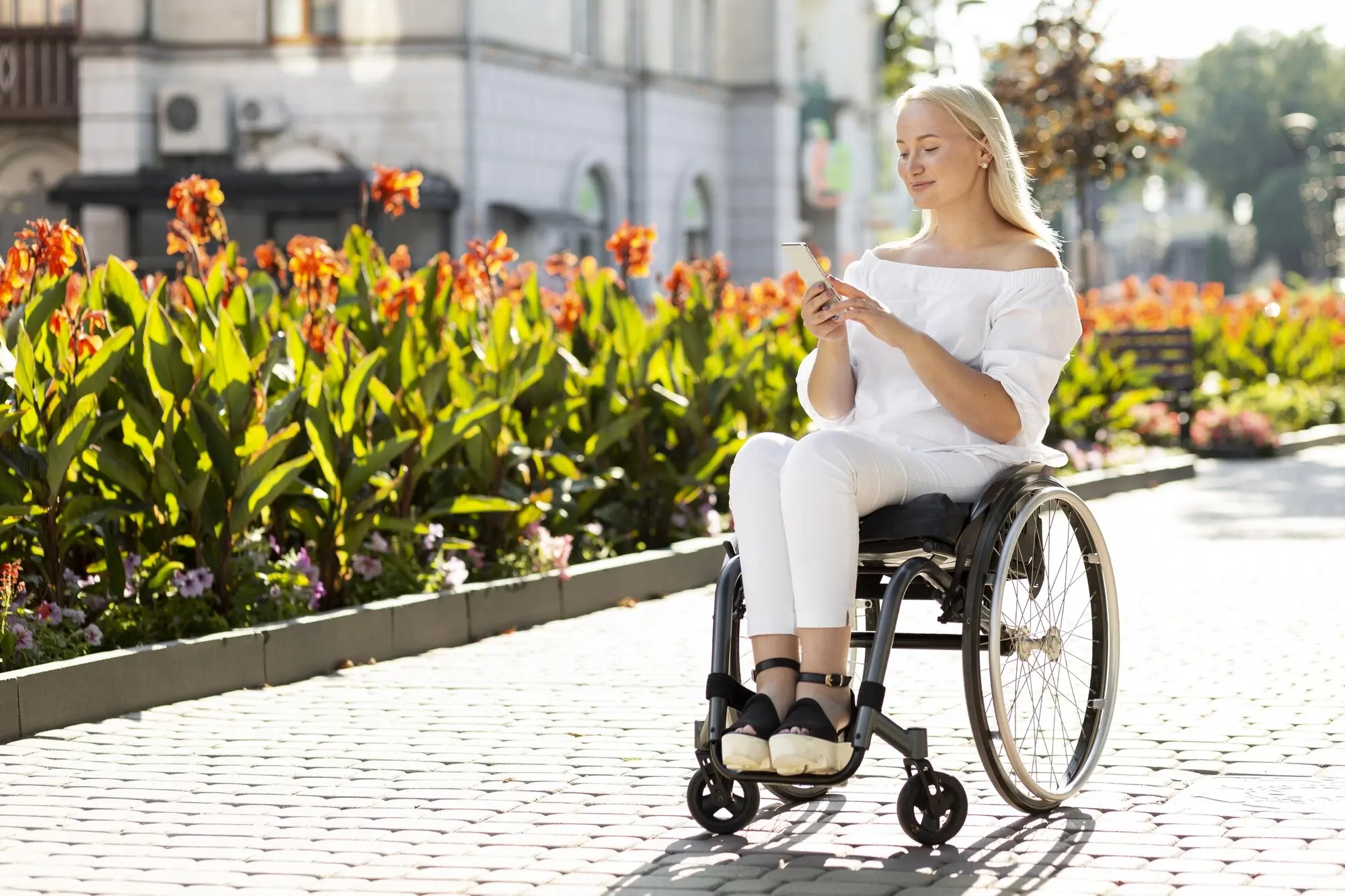
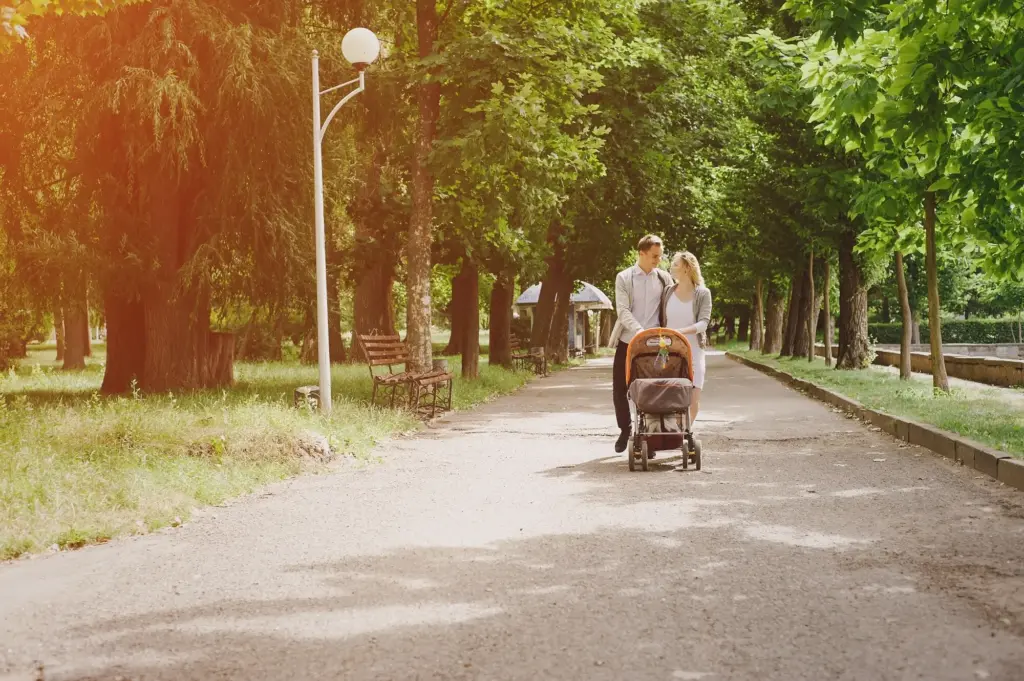
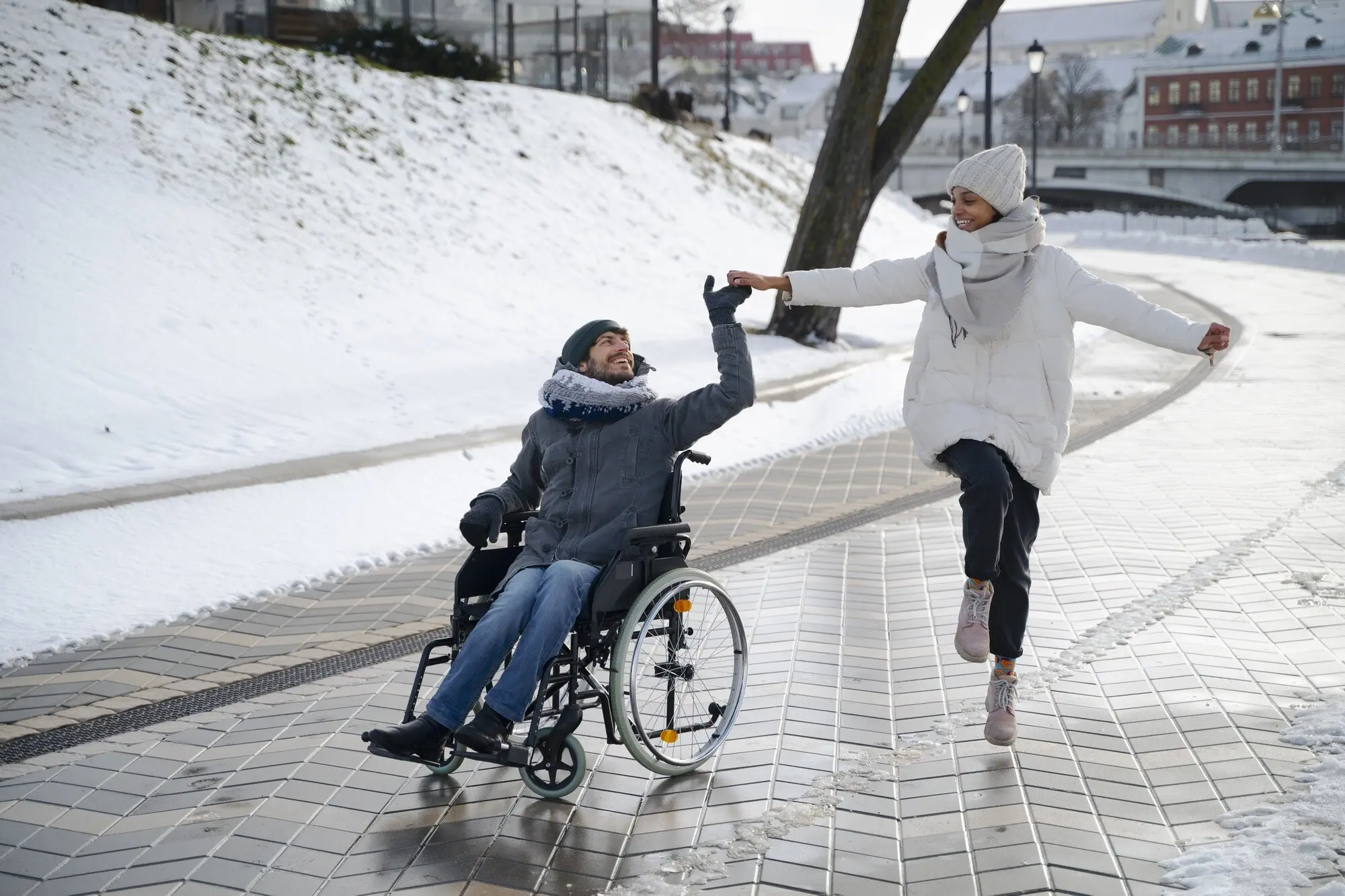
Scout surfaces virtually first using maps, photos, and local forums, then plan realistic distances with time buffers for pauses. Identify accessible toilets and step-free cafés near the water. Pack a small repair kit for wheel or scooter surprises. Choose sections with wide passing spaces and minimal camber. Celebrate sensory richness—breezes, birdsong, distant bells—without demanding speed or distance. Accessibility-centered planning keeps the family together, replacing strain with shared ease and the freedom to linger.

Museums with Aquatic Echoes

Within easy reach of riverside routes, Oxford’s museums offer artifacts and exhibits that spark watery curiosity, from fossils and riverine creatures to navigation tools and craft traditions from around the world. Let kids sketch favorite shapes, then connect them to patterns spotted outdoors earlier. Rotate roles—guide, photographer, note-taker—to keep engagement high. End with a quick plan for returning outside when weather softens, reinforcing that learning threads continue across doors, bridges, and gentle currents.

Warm Cafés Overlooking Green and Water

Pick family-friendly spots with forgiving menus, step-free entries, and views across meadows, bridges, or boats moored in patient lines. Use windows like nature screensavers while hands thaw around mugs. Debrief the outing, list best sounds, and plan a quick craft from collected leaves. Share a friendly hello with staff and fellow adventurers. Model unhurried kindness. Let children choose the next mini-goal so a return outside feels like continuation, not obligation, when jackets zip again.

Community Moments, Stories, and Gentle Challenges
Rowing Races: Cheer with Care

Bundle up, pick a clear vantage point away from slippery edges, and teach children simple spectating etiquette—stay back from the towpath, listen for marshals, leave space for crews. Turn boats into story prompts about practice, patience, and resilience. Celebrate the drumbeat thrum of blades and the flash of college colors. Finish with a warming treat and a quick debrief about favorite moments, linking excitement to safety so future events feel welcoming rather than overwhelming.

Riverbank Kindness Hour

Bundle up, pick a clear vantage point away from slippery edges, and teach children simple spectating etiquette—stay back from the towpath, listen for marshals, leave space for crews. Turn boats into story prompts about practice, patience, and resilience. Celebrate the drumbeat thrum of blades and the flash of college colors. Finish with a warming treat and a quick debrief about favorite moments, linking excitement to safety so future events feel welcoming rather than overwhelming.

Share Your Map and Invite Others

Bundle up, pick a clear vantage point away from slippery edges, and teach children simple spectating etiquette—stay back from the towpath, listen for marshals, leave space for crews. Turn boats into story prompts about practice, patience, and resilience. Celebrate the drumbeat thrum of blades and the flash of college colors. Finish with a warming treat and a quick debrief about favorite moments, linking excitement to safety so future events feel welcoming rather than overwhelming.

Piranovixarinari
Privacy Overview

This website uses cookies so that we can provide you with the best user experience possible. Cookie information is stored in your browser and performs functions such as recognising you when you return to our website and helping our team to understand which sections of the website you find most interesting and useful.