
Reading Water, Chasing Light

Rivers reward patience. Along Oxford’s towpaths, light bounces from ripples, drifts under willows, and wraps stone with silver. Learn to watch currents, cloud gaps, and wakes from punts or eights, turning fleeting glimmers into controlled exposures that glow without losing texture or mood.

Iconic Views and Quiet Corners

From postcard bridges to silent backwaters, Oxford’s riversides reward wandering feet and alert eyes. Balance the lure of famous silhouettes with scenes only herons notice. This curated path mixes reliable viewpoints and sneaky angles, reducing crowds in frame while preserving sense of place and serenity.

Seasonal Playbook for Consistent Magic
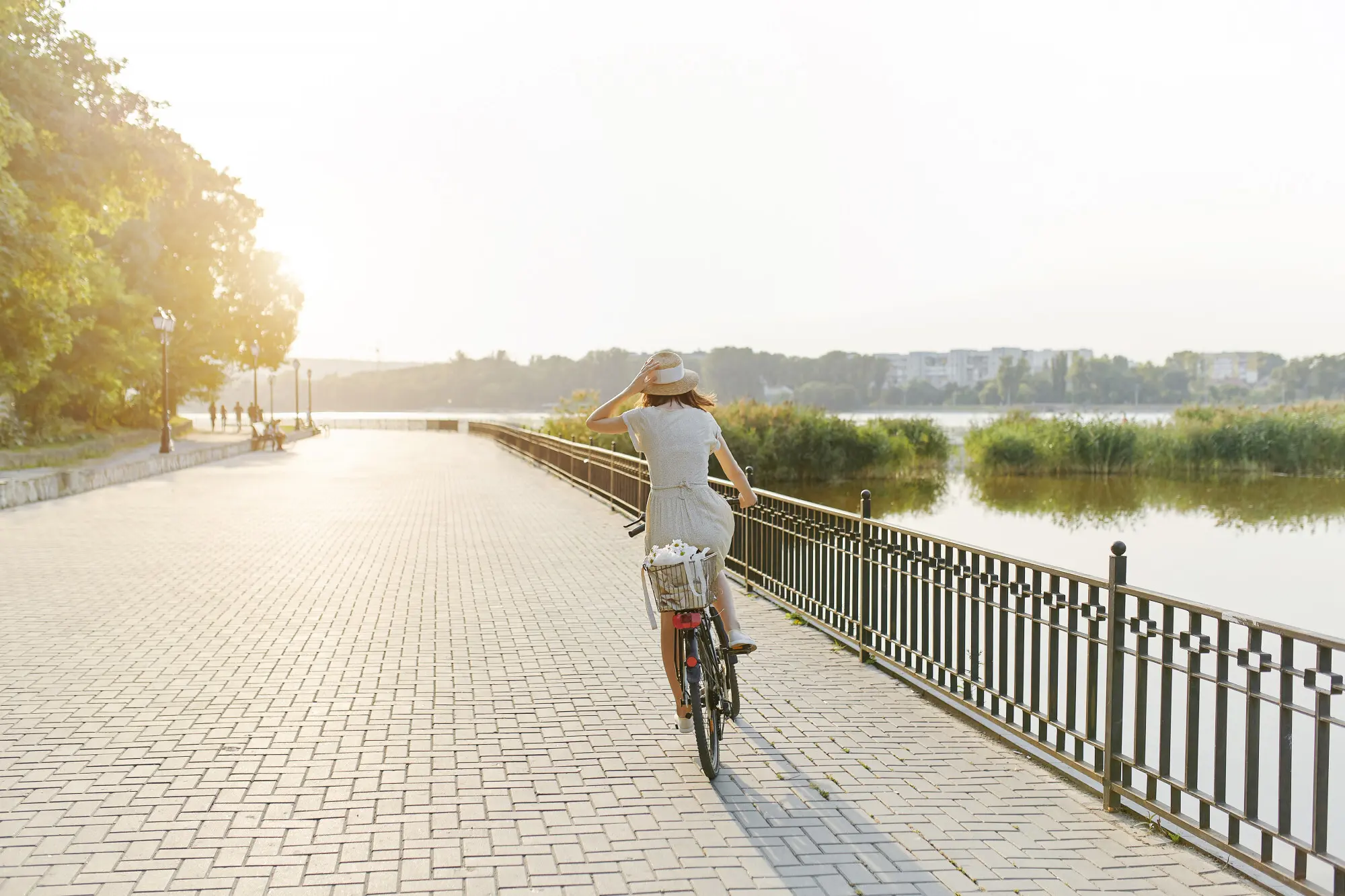
Oxfordshire weather shifts quickly, yet patterns return like clockwork. Anticipate blossom bursts, buttery evenings, copper canopies, and crisp frosts by scouting early and logging light. These observations shape dependable routines, so when the sky cooperates you know exactly where to stand and how to adapt.

Gear and Settings Beside the Flow

Packing light helps you move freely along narrow towpaths, yet a thoughtful kit unlocks flexibility. Choose lenses that suit shade and reach, stabilise without blocking walkers, and refine exposure to tame bright ripples. These combinations protect spontaneity while ensuring files withstand detailed editing and large prints.

Fast Primes for Shaded Paths

Under willows and college walls, light dips dramatically. A 35mm or 50mm at wide apertures isolates gestures on punts while holding contextual stone. Keep shutter above 1/200 to counter subtle sway from boards underfoot, and let gentle grain add atmosphere without smearing movement.

ND Filters at Weirs and Locks

At Iffley or Osney, water braids beautifully over gates. Use a strong ND to stretch seconds, then blend a shorter frame for leaves or people. Dial polarisation carefully; remove just enough glare to keep believable highlights, protecting that luminous, tactile sense of current and weight.

Telephotos from Bridges and Banks

A 85–135mm lens compresses towers with boats, revealing patterns in rowing strokes and shimmering tracks. From Folly or Magdalen Bridge, align verticals, wait for uncluttered banks, and shoot bursts. Telephoto steadiness matters; brace elbows, lower ISO, and accept slightly higher shutter to preserve clarity.

Stories From the Towpath

Images stick when they carry memory. Oxford’s rivers invite small dramas: bells meeting fog, sudden showers, a heron’s patience. These moments guide timing, viewpoint, and restraint, reminding us to put people, wildlife, and place first so photographs resonate beyond technical achievement or passing trends.

The Morning the Spires Vanished

One February dawn, mist swallowed everything past twenty metres near Donnington Bridge. I framed only ripples, boots, and a ringing bike bell. When sun nudged through, silhouettes surfaced like stagecraft. The pared-back sequence outlived grand vistas because it felt truthful, local, and gently mysterious.

When a Swan Claimed the Frame

By the Botanic Garden gate, a territorial swan cruised straight at my reflection test. I eased back, lowered profile, and waited. Allowing its space changed the angle; water settled, feathers gleamed, and a punt slid quietly behind, turning potential conflict into a layered, respectful portrait.

Access, Safety, and Good Manners
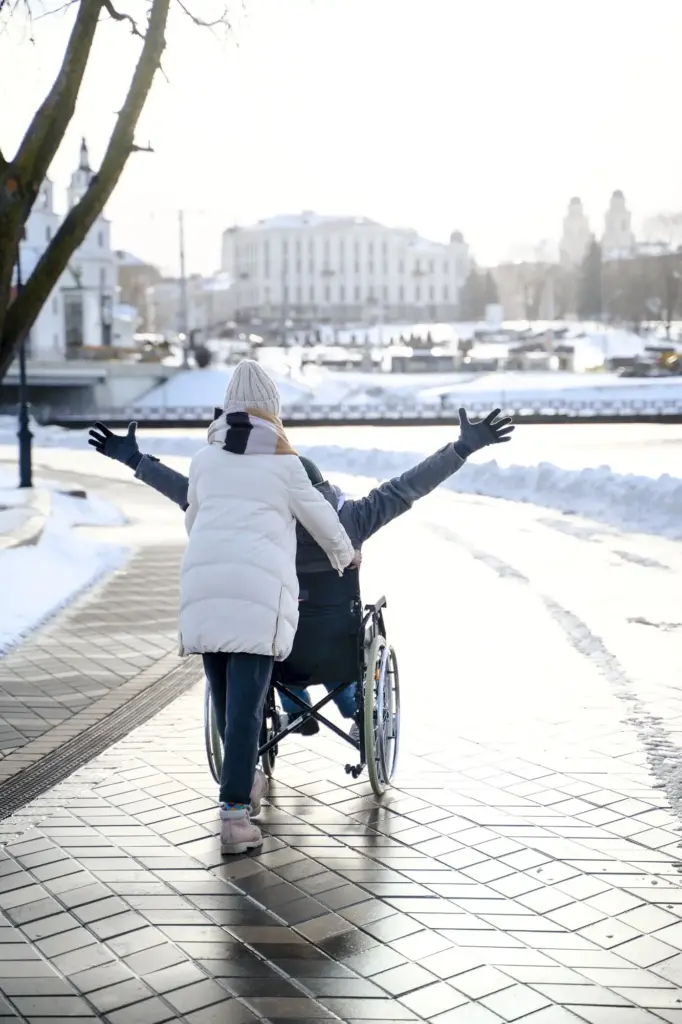
Rivers feel welcoming, yet they demand respect. Oxford’s paths thread through working waterways, college edges, and habitats. Keep gear tight, step aside for rowers and cyclists, heed flood warnings, and read signage. Thoughtful behaviour safeguards everyone while opening doors to quieter, privileged perspectives over time.

Sharing Space With Rowers and Walkers

Boathouse hours bring intense traffic and fast shells. Face upstream at crossings, give priority, and avoid sudden tripod moves. Earbuds out, bag cinched, voice friendly. When people feel seen, spontaneous portraits emerge naturally, and you remain welcome on paths that depend on mutual trust.

Weather, Floods, and Stable Footing

After heavy rain, the Isis can climb into towpaths and hide slick clay. Waterproof boots help, but judgment matters more. Never wade for a shot; choose higher ground, longer lenses, or safer timing. Remaining dry and steady beats risk, and your camera will thank you.
Piranovixarinari
Privacy Overview

This website uses cookies so that we can provide you with the best user experience possible. Cookie information is stored in your browser and performs functions such as recognising you when you return to our website and helping our team to understand which sections of the website you find most interesting and useful.